October 14, 2026
Everything That Glitters Isn't Gold: From the Rack to the Front Door
In fashion, we learn this lesson early: the label doesn't make the garment. A designer logo stitched onto a cheap polyester blend is still a cheap polyester blend. The tag promises quality. The fabric tells the truth. You can dress a mannequin in a $2,000 suit, but the seams, the lining, the weight of the cloth, they give it away every time. Style is not the costume. Style is what remains when you look past it.
The Hard Hat at the Door
That principle followed me out of the boutique and onto my own front porch a few years ago, when a man in a utility vest and a construction hard hat knocked on my door. He claimed to be from the electric company. He said there was a downed line in the neighborhood and he needed to check my breaker box. He looked official. He sounded official. And for a split second, my brain said: open the door.
That split second is the entire scam. The costume doesn't prove he works for the utility. It just borrows the authority of one. If I had asked the right questions, which utility, what's your ID, let me call the number on my bill, the facade would have collapsed. The costume works only until it's tested. The hard hat was the label. The truth was in the seams.
The Pitch and the Social Engineering
But the hard hat is only the opening move. Once he's inside, the real game begins. He doesn't just check the breaker box. He starts talking about "savings" and "safety." He tells you your wiring is outdated, your panel is a fire hazard, your energy bill is higher than it needs to be. He offers a solution, a service, a subscription, a maintenance plan, something non-essential dressed up as urgent. And while he's talking, he's asking questions. What's your name? How long have you lived here? Who's your current provider? Do you have a spouse who handles the bills? That's not small talk. That's social engineering. He's gathering personal information, building a profile, and using the trust he borrowed from the vest to get you to sign something you don't need.
The costume gets him in the door. The pitch keeps you talking. And the questions, the ones that feel like conversation, are the real theft. Not of your wallet, necessarily, but of your information, your trust, and your ability to say no.
The A+ Rating and the Missing Link
I've been thinking about that man a lot lately, because I've been looking into a children's charity called Unbound. It's headquartered in Kansas City, has been operating since 1981, and manages over $137 million a year. It holds an A+ rating from CharityWatch and a 4-star rating from Charity Navigator. By every conventional measure, it looks legitimate.
But the more I looked, the more I noticed the same dynamic: a costume of credibility that works only until you test it.
Unbound reports that 90% of its expenses go to program support and that 98% of sponsored members receive benefits through direct cash transfers to individual bank accounts. These are impressive numbers. But here's the structural gap that the ratings don't capture: Unbound's audited financial statements do not consolidate the finances of its 31 project offices in 17 countries where the money is actually spent. Unbound states it "does not exercise control" over those offices, so their operations are outside the scope of the U.S. audit.
CharityWatch knows this. It discloses it. Its A+ rating of Unbound explicitly does not include the financial activities of the project offices. But how many donors read that footnote? How many see the A+ and stop asking questions, the same way I almost opened the door because the vest looked right?
The High-Probability Red Flag
This is not a definitive claim that Unbound is a scam. But the structural gap is exactly the kind of thing that should raise suspicion. When an organization manages over $137 million a year and the audit explicitly excludes the offices where the money is spent, that's not a minor accounting detail. That's a high-probability red flag. It means the money is verified leaving the country but not verified arriving. It means the accountability chain has a missing link precisely where it matters most. And it means the highly rated financial efficiency is, at best, incomplete, and at worst, a shield.
The same costume that makes a scammer look like a utility worker, the vest, the hard hat, the confident tone, can be replicated by an institution. The A+ rating, the 4-star score, the impressive program ratios: they all function the same way. They borrow the authority of legitimacy. They work only until someone asks the question the costume is designed to avoid.
It's Okay to Ask
So what do we do with that gap? The same thing I should have done with the man in the hard hat. Don't trust the costume. Test it.
And here's the thing: it's okay to ask questions. It's okay to ask about something you don't know. It's okay to say, "I don't understand this, explain it to me." It's okay to ask for documentation, for proof, for clarification. It's okay to keep asking until you are satisfied. That is not rudeness. That is not paranoia. That is due diligence. And any legitimate organization, whether it's a charity, a utility, or a brand, should welcome those questions, not deflect them.
Use the tools you have. Do an internet search. Ask an AI engine to help you understand what a Form 990 is, what a consolidated audit means, or what questions you should be asking. You don't need to be an accountant or a lawyer to protect yourself. You just need to be willing to ask, and to keep asking until the answers make sense.
The Seams Tell the Truth
The hard hat doesn't prove he's from the utility. The A+ doesn't prove the money reaches the child. The label doesn't prove the fabric is real. All of them are costumes. All of them work until you ask the right questions. And the uncomfortable truth is that the bigger the costume, the more likely no one ever does. So be the one who does.
👉 Shop the Post:
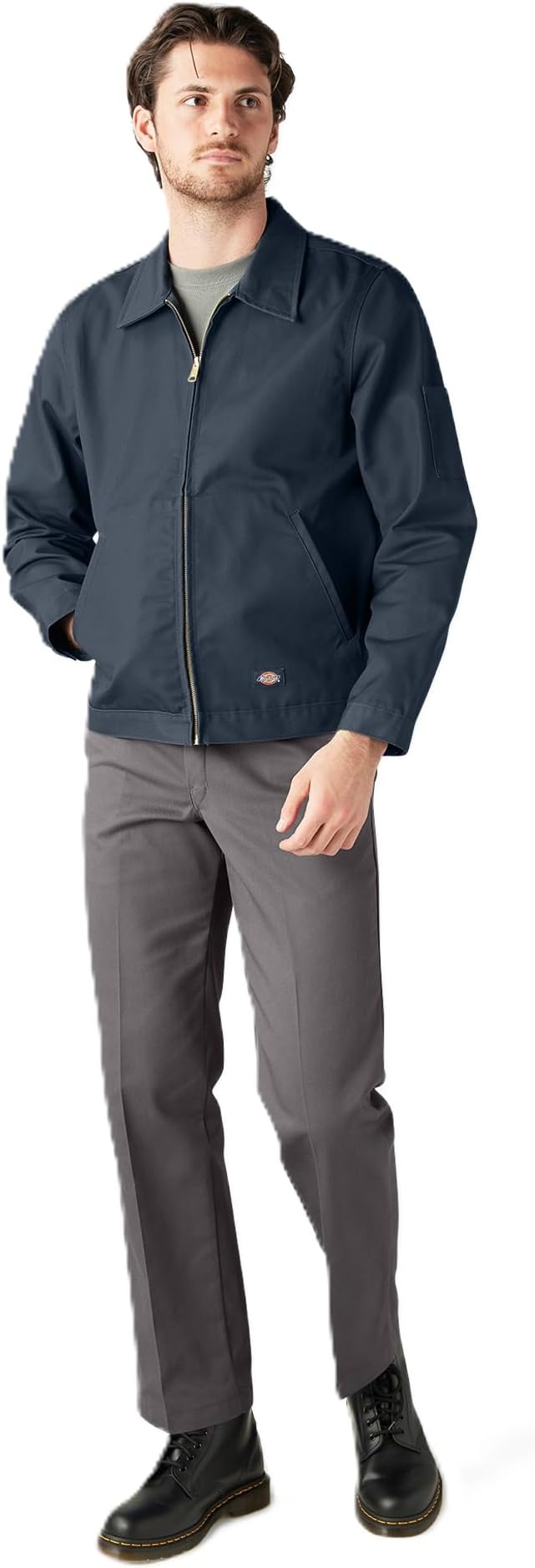 Dickies Men's Work Jacket | The real deal, not a costume
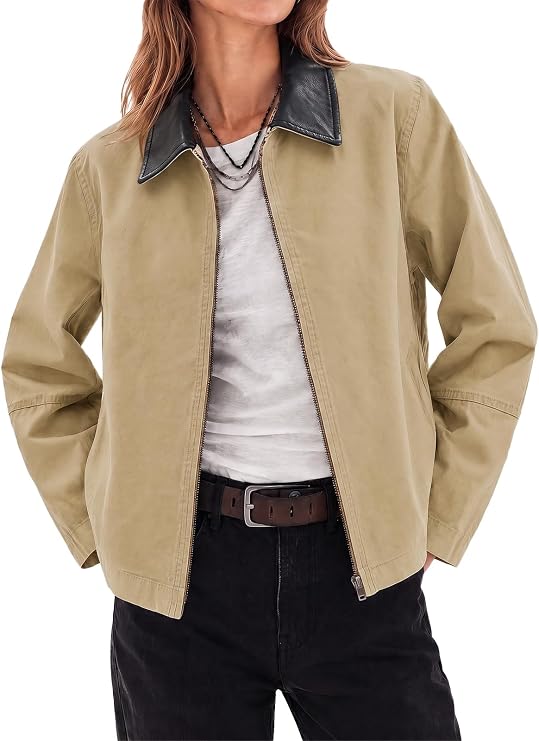 Cicy Bell Women's Oversized Utility Jacket | Quality you can feel in the seams
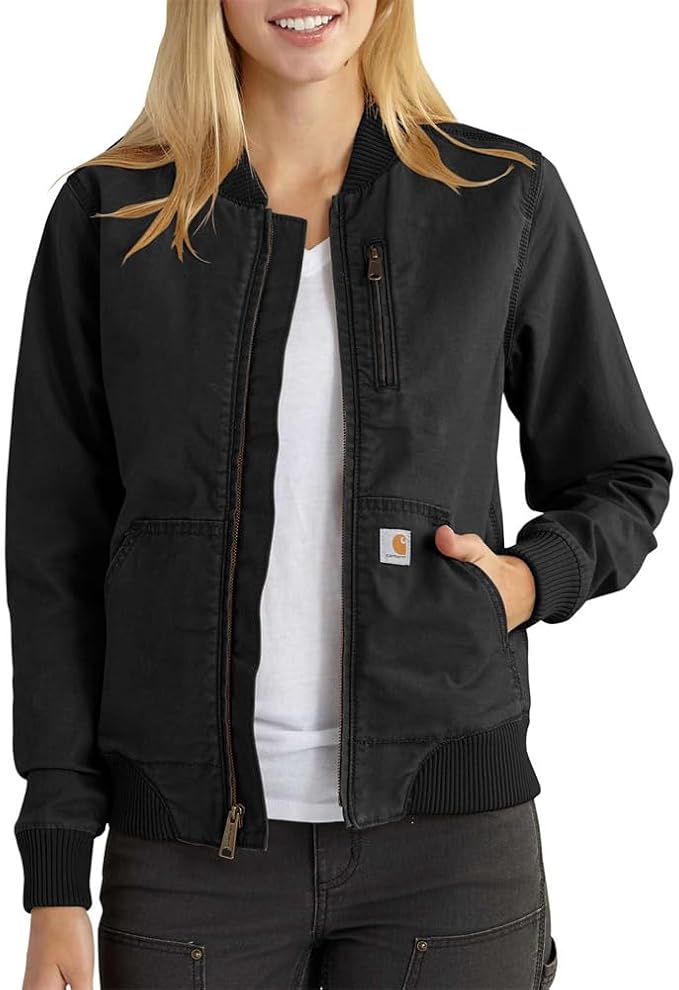 Carhartt Women's Crawford Bomber Jacket | Built to last, not to impress
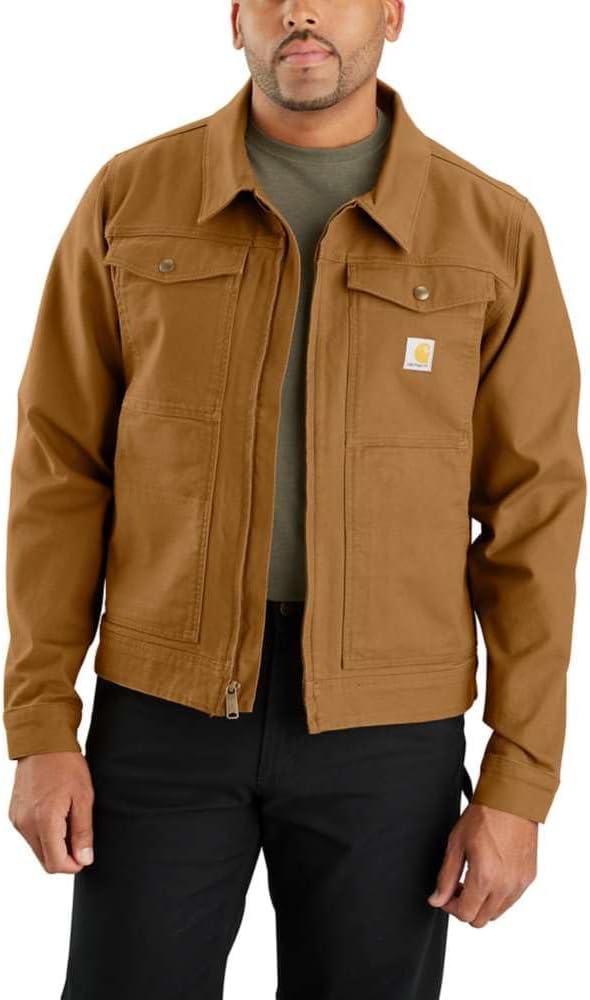 Carhartt Men's Rugged Professional Relaxed Jacket | The seams hold up when the costume fails
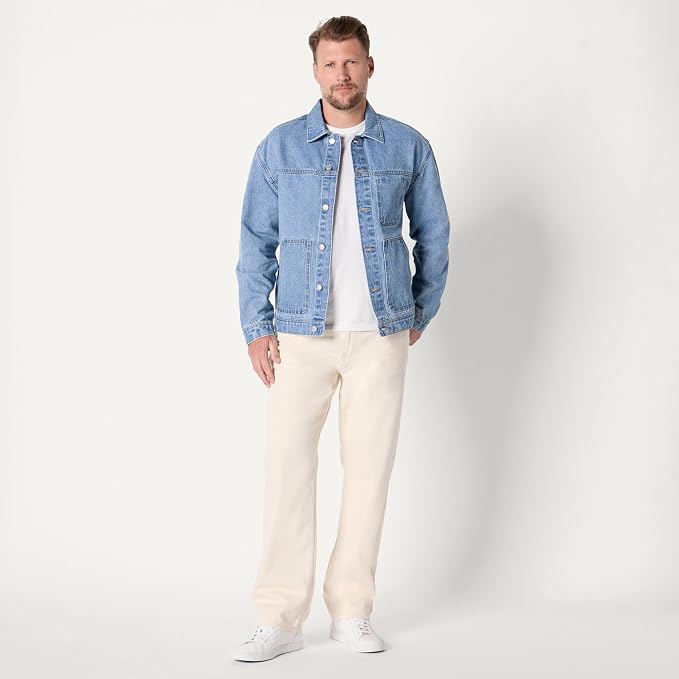 Amazon Essentials Men's Relaxed-Fit Utility Jacket | Honest quality at an honest price
As an Amazon Associate, I earn from qualifying purchases.